

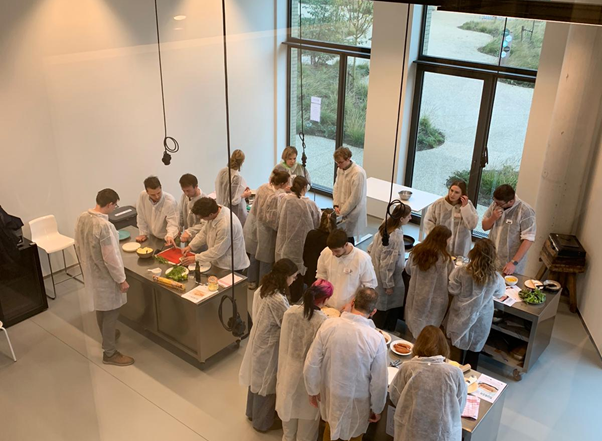
As part of the LIKE-A-PRO project, the LIKE-A-PRO team ran a three-part capacity-building workshop series between 21 and 28 November 2025, with two workshops hosted at Nursh (Ghent, Belgium) and two workshops held with chefs from the Basque Culinary Centre (BCC, Basque Country, Spain).
The series was designed to move beyond theory and into real-world application, bringing together chefs, product experts, and stakeholders to explore what makes LIKE-A-PRO alternative-protein products functional in the kitchen, appealing on the plate, and viable for market adoption.
Across the sessions, different activities were carried out depending on the format: while the workshops focused on frameworks, applications, and hands-on learning, a selected set of LIKE-A-PRO products was tested in two dedicated workshops under real kitchen conditions, assessing what matters most in food-service settings: taste, texture, aroma, browning, and overall performance on the plate.
Theory is useful, but adoption is decided on the cutting board and in the pan. When we tested a selected set of LIKE-A-PRO products under real cooking conditions, clear patterns emerged. Here’s what the LIKE-A-PRO team and participating chefs reported, product by product.
Nursh hosted two capacity-building workshops in Ghent to help food actors move alternative proteins from an “interesting concept” to market-ready solutions (Fig 1). The approach was practical and people-centred: we brought together food producers, ingredient suppliers, and retailers and combined product showcases, cooking demonstrations (including video formats), and interactive discussion moments to explore what really drives adoption. In the in-person workshop, participants also had the opportunity to work hands-on with seven different alternative protein sources, seeing how ingredients are transformed into final applications and what makes products functional, appealing, and ready to scale.
In total, we engaged 57 food industry representatives across the two events (38 online and 19 in person). The audience reflected the reality of the value chain: 67% of participants were food producers, 25% were ingredient suppliers, and 8% were retailers. After the workshops, 65% of participants reported discovering new or inspiring insights about alternative proteins; the rest also mentioned learning a few useful new things. What participants valued most was the emphasis on real examples—products and prototypes, recipe inspiration, and “how it works in practice” demonstrations—alongside tools and ideas for improving formulations and nutritional profiles. Several participants also expressed interest in going deeper on applications (how to use alternative proteins in different formats) and in exploring the potential of wheat proteins (e.g., gluten).
A key takeaway was that alternative proteins are not judged only by nutrition. To succeed, products must also deliver on kitchen performance, production stability, cost efficiency, scalability, and the human factors that influence acceptance—such as perceived processing, perceived risk, price expectations, and the context in which a product is eaten. Hybrid formats were repeatedly highlighted as a promising entry point for the European market, and discussions also underlined the value of simple behavioural tools—clear communication and small “nudges”—to make products feel more approachable.
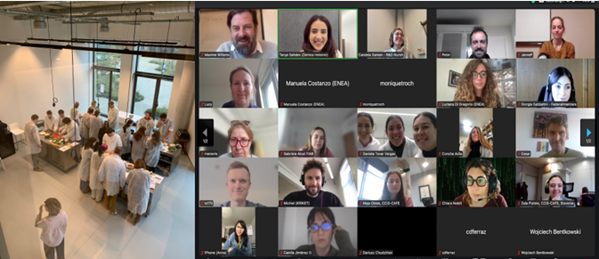
Figure 1. Nursh capability-building workshops. Left: in-person workshop, right: online workshop.
The “Alternative Proteins for Chefs” workshops, hosted with chefs from the BCC brought a distinctly culinary lens to the LIKE-A-PRO work. Rather than discussing proteins in abstract terms, BCC chefs shared practical insights based on the LIKE-A-PRO products, focusing on what matters most in professional kitchens: technique, flavour, texture, and real service performance. During the sessions, the chefs showcased innovative protein products and cooked selected examples live, using them as a starting point to discuss preparation methods, finishing techniques, and how to get the best results on the plate. The group explored how these products can be applied in restaurants and food-service settings, from menu development to workflow compatibility, and what makes a product easy—or difficult—to adopt in a busy kitchen.
A key message from the workshop was that chefs are not only end-users: they can also be powerful leaders in the shift toward more sustainable proteins. Through practical demonstrations and open discussion, the workshop highlighted how culinary creativity, clear expectations around texture and flavour, and smart application choices can help alternative proteins move from “novelty” to mainstream.
We welcomed 64 food-service representatives through the BCC programme, split between 35 online participants and 29 in-person attendees.
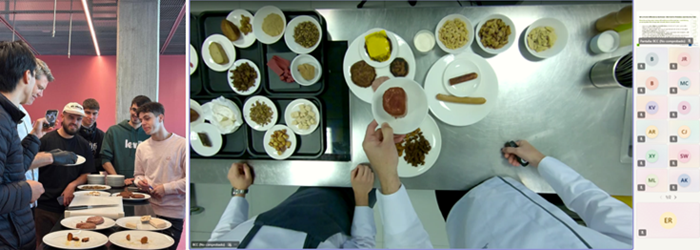
Figure 2. BCC capability-building workshops. Left: in-person workshop, right: online workshop.
During the BCC session, the chefs asked participants a short set of questions to capture immediate reactions and learning outcomes. Overall, the results point to high interest and strong perceived value, with responses clustering toward the positive end of the 1–5 scale (grouped as 1–2 low, 3 neutral, 4–5 high)
Q1 – Addressing doubts: When asked to what extent the workshop answered their questions or doubts about working with alternative proteins, responses were positive, with the vast majority selecting 4–5 (high) and almost no low ratings.
Q2 – Usefulness for daily work: Participants also rated the workshop as highly useful for their day-to-day work, again with most responses in the 4–5 category.
Q3 – Confidence to create flavourful dishes: Finally, when asked how confident they feel about creating flavourful dishes with alternative proteins after the workshop, results showed a clear shift toward confidence, with the largest share of participants selecting 4–5. While a portion remained neutral (and a smaller group reported low confidence), the overall pattern suggests the session strengthened participants’ readiness to experiment and innovate.
When asked what they plan to try next in their own kitchens, participants most often mentioned insect-based ingredients (especially cricket flour for protein-rich desserts and snacks), followed by plant-based ceviche applications, and ‘center-of-plate’ meat analogues such as vegetable tenderloin or carrillera-style dishes.
Overall, the workshops confirmed that alternative proteins are evaluated through a much wider lens than nutrition alone. Kitchen performance—texture, flavour, aroma, browning, and ease of use—emerged as decisive factors for adoption in food-service. The hands-on testing also helped identify the most promising formats for chefs, as well as the areas where prototypes still require refinement (especially around aroma authenticity and texture structure). These insights will feed into the next LIKE-A-PRO steps, supporting the enhancement and optimisation of alternative-protein products—both in terms of formulation and real-world kitchen performance.