

Laboratory digestion and intestinal cell studies support the safety and compatibility of the innovative protein ingredients and products developed in the LIKE-A-PRO project.
Bringing novel food ingredients and products to market requires more than innovation alone. It also demands robust scientific evidence demonstrating that these foods are safe for human consumption under their intended conditions of use.
In the European Union, this is a key part of the approval process for novel foods, where the European Food Safety Authority (EFSA) plays a central role in the scientific assessment.
For emerging foods based on alternative proteins, generating data on digestibility, intestinal compatibility and nutrient availability is therefore essential to support their future uptake in the market.
As part of the LIKE-A-PRO project, GAIKER has carried out laboratory studies to investigate the safety and nutritional potential of new protein ingredients and products developed within the project. These studies looked at both individual ingredients and 16 selected final products, focusing on how they behave during digestion and how they interact with intestinal cells.
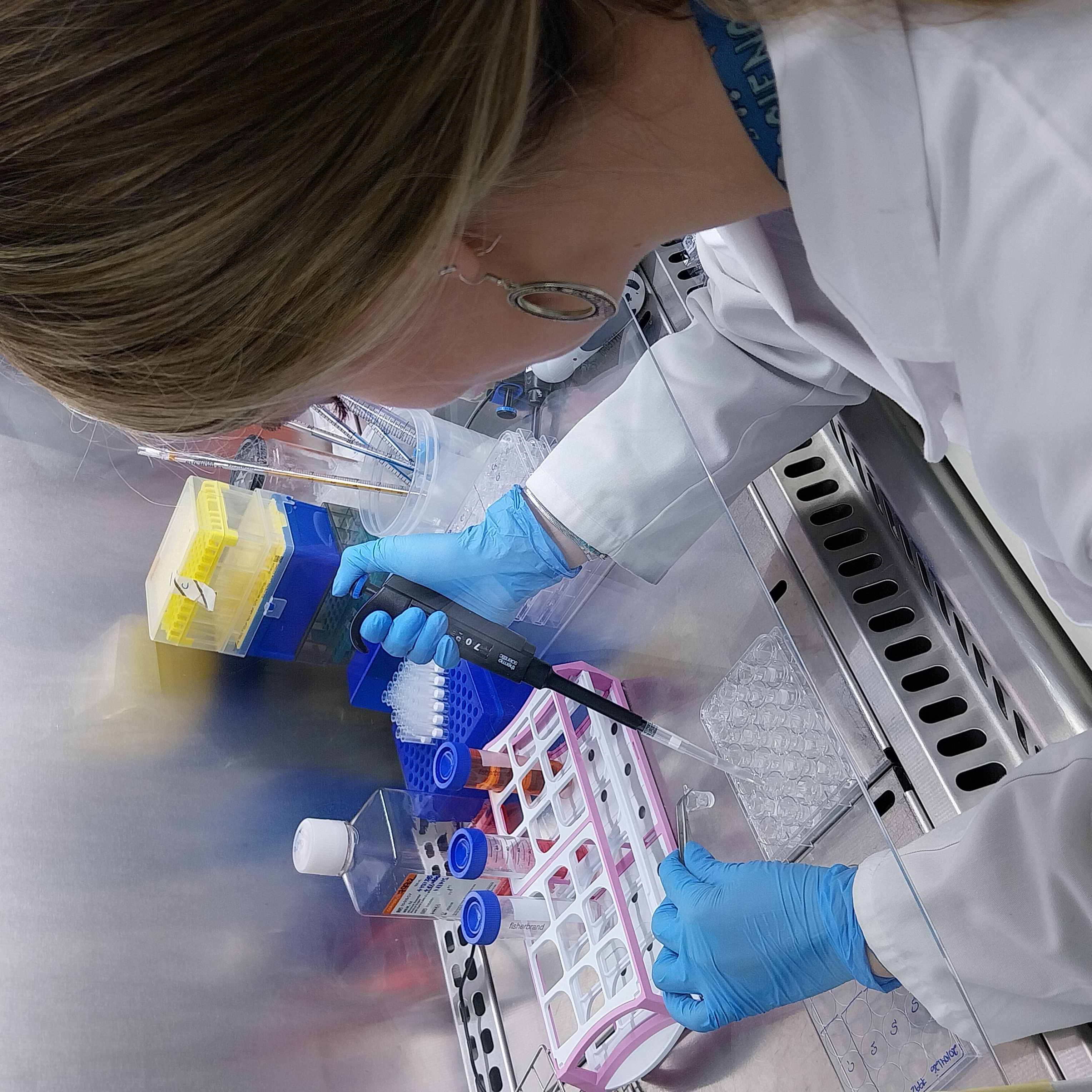
To do this, researchers used a well-established laboratory approach that simulates human digestion (INFOGEST protocol), followed by testing with a model of the human intestinal barrier (Caco-2 cell model). After simulated digestion, the samples were applied to intestinal cells grown in a specialised system that allows substances to pass across the cell layer (transwell system). This allowed researchers to assess whether the substances affected cell health, the integrity of the intestinal barrier, and the transport of nutrients.
This approach makes it possible to study both digestion and absorption in a single workflow, providing valuable insights into how nutrients from these products may become available in the body.
The experiments focused in particular on how certain key amino acids, known as branched-chain amino acids (BCAAs), move across the intestinal barrier after digestion. These amino acids are important building blocks in human nutrition, and their presence after digestion provides an indication of how well the body can use the proteins.
To ensure reliable results, the researchers carefully monitored the quality and performance of the intestinal model. The intestinal cells were allowed to develop fully, and the integrity of the intestinal barrier was checked using standard validation methods.
These checks confirmed that the model functioned as intended and could be used to generate meaningful results.
Overall, the findings are very encouraging. The tested samples did not harm the intestinal cells and did not weaken the intestinal barrier. This indicates that the products are compatible with normal intestinal function.
At the same time, the presence of amino acids on both sides of the intestinal barrier suggests that nutrients from these products can be made available for absorption, supporting their nutritional value.
Together, these results contribute to building confidence in the safety and functionality of the alternative protein solutions developed within LIKE-A-PRO.
This work is an important step in the project’s efforts to support the development of safe, nutritious and sustainable food products. By combining advanced laboratory methods with practical product development, LIKE-A-PRO continues to strengthen the scientific basis for future alternative protein foods.
The results will also be shared with the wider scientific community at the 9th International Conference on Food Digestion (ICFD2026), taking place in Gdańsk, Poland, from 19 to 21 May 2026.
Photo: GAIKER researcher carrying out laboratory-based bioavailability tests using intestinal cell models.