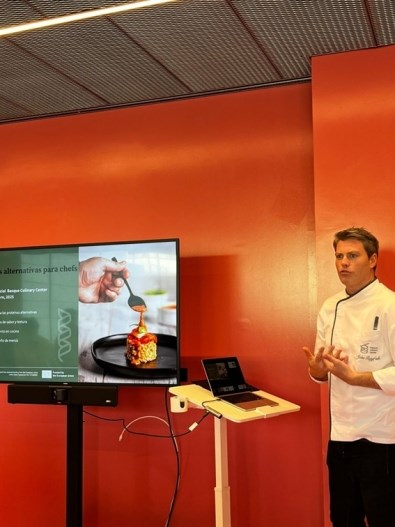
In late 2025, the LIKE-A-PRO project brought alternative proteins into the kitchen through a pair of complementary workshops designed specifically for chefs and food professionals.
Hosted within the Basque Culinary Center ecosystem, the workshops were created to give the participants a grounded, practical understanding of alternative proteins. The aim was to show how different protein sources behave in the kitchen, but also explore their functional and nutritional characteristics and how they can be transformed into credible, flavourful and creative dishes. The intention was not only to explain the category, but to demonstrate real versatile culinary possibilities, creative uses and the breadth of applications relevant for modern foodservice.
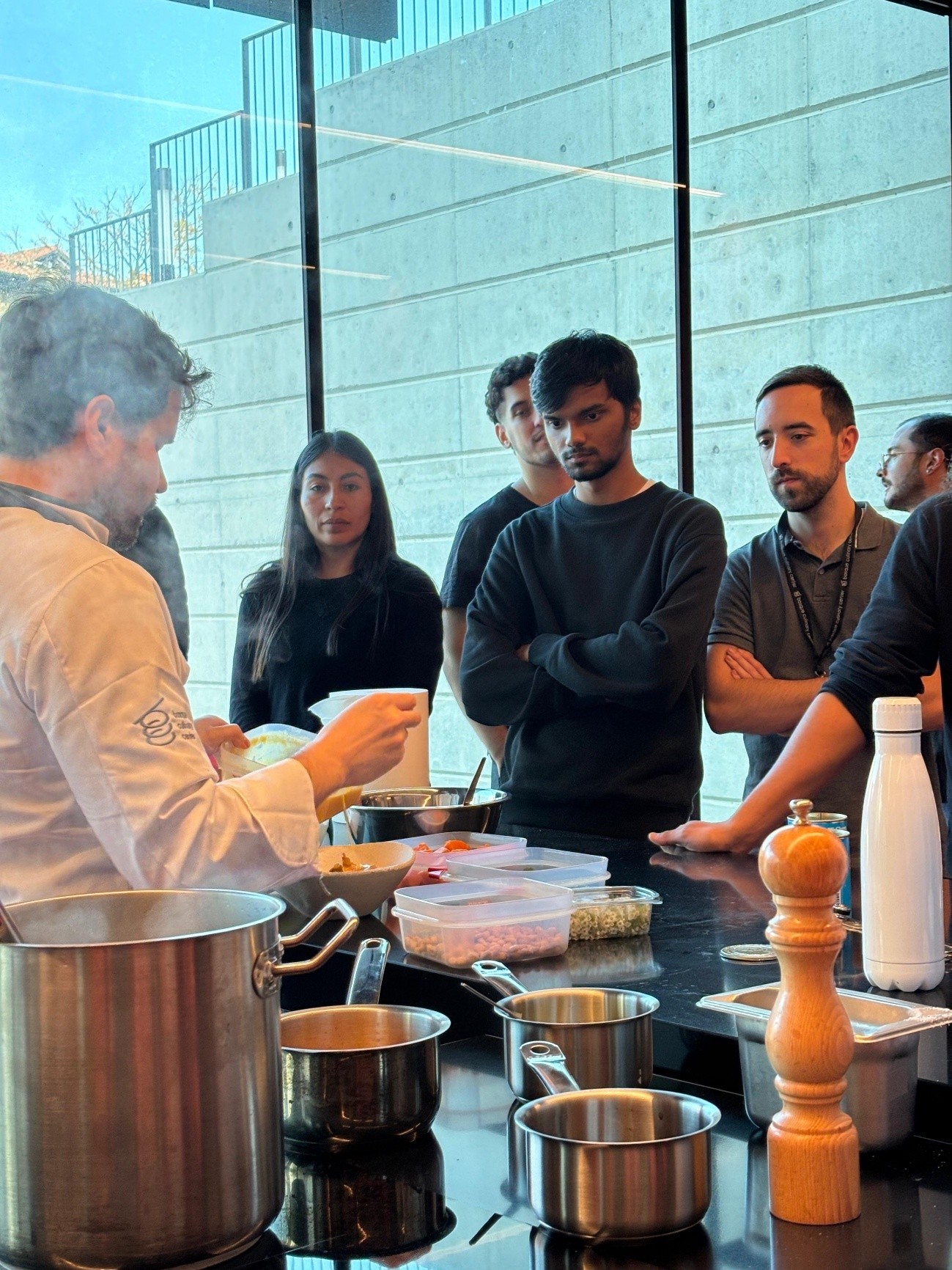
The programme combined two formats. On 27 November, an online Inspiration Lab brought together 35 participants for a 90-minute live-streamed session. Two chefs demonstrated ingredients on camera, explaining their properties and showcasing techniques while participants followed remotely. On 15 December, an on-site, hands-on lab took place in San Sebastian, Spain, where 29 attendees were able to taste, prepare, and experiment with the ingredients directly.
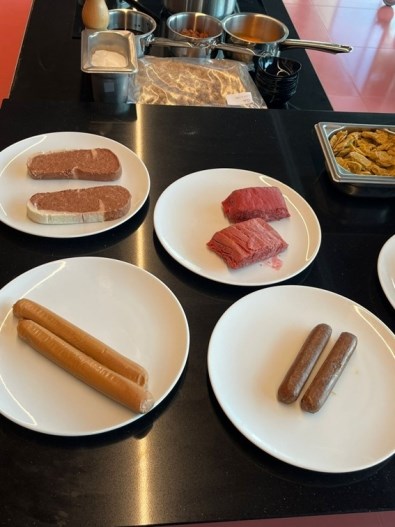
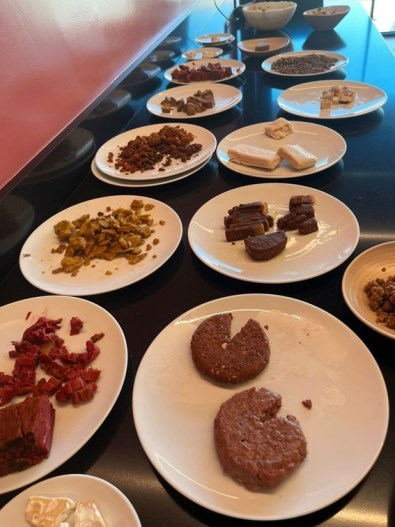
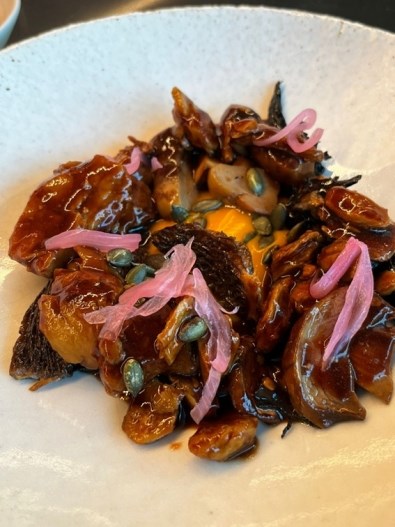
While the online workshop offered a fast, information-rich overview, where the participants could see the ingredients, follow demonstrations and understand all the technical logic, the in-person session allowed for deeper hands-on culinary exploration. Here participants tasted proteins in their simplest forms, prepared with minimal technique, as well as in composed dishes. This experience allowed the participants to get a clearer understanding of texture, behavior and creative potential.
Together, the two formats worked as complementary yet complete learning experiences.
Key takeaways
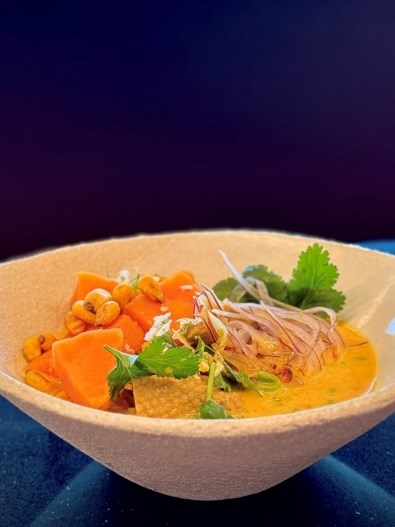
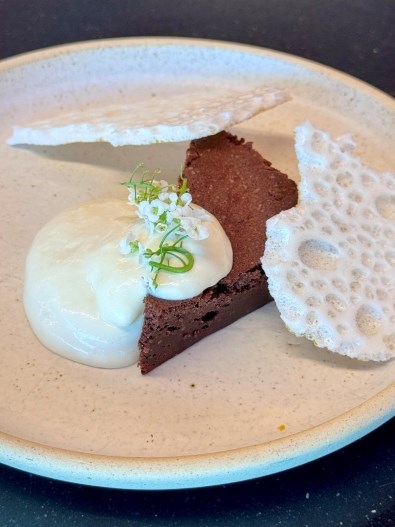
Key takeaways centred on the importance of understanding protein functionality, including hydration, structure, emulsification, and flavour behaviour. The participants particularly valued the practical examples of plant-based proteins, hybrid formats and insect-derived ingredients, and how these behave in stews, ceviches, desserts, plant-based meats or enriched preparations. The sessions also clarified the potential that insect flour and legume-based proteins have in restaurant settings for their protein content and interesting texture.
Feedback from participants was highly positive, with many describing the content as clear, thoroughly explained with high applicability. Several participants asked about additional culinary techniques, with some requesting more tasting examples as well as more in-depth comparisons of protein quality. Many found the dish ideas creative and immediately transferable to their day-to-day operations in a professional kitchen.
One participant commented:
“Super interesting and clearly explained. The dishes were creative and easy to picture in a real kitchen, and the examples with insect and plant proteins were especially useful. I would have liked to explore even more techniques, but the balance between information and practice worked very well.”
John Regefalk - Head of Culinary Innovation at GOe Tech Center and professor of avant-garde cuisine at Basque Culinary Center added:
"Alternative proteins can help us address new challenges in gastronomy, especially in health and sustainability, while broadening the options available in the kitchen for professional chefs. They don’t come with an inherent culinary tradition, which is a challenge but also a huge opportunity which means: the tradition starts now."
What's next?
Looking ahead, recordings and materials from the workshops will be made available via the FoodLeap platform, extending the programme’s reach to food professionals across Europe. The learnings from both workshops will also feed into future training sessions and support the development of new culinary prototypes and product concepts with industry partners. The insights gathered — from hybrid proteins to insect applications and practical restaurant use cases — will guide the next iterations and help shape future new product development opportunities.