

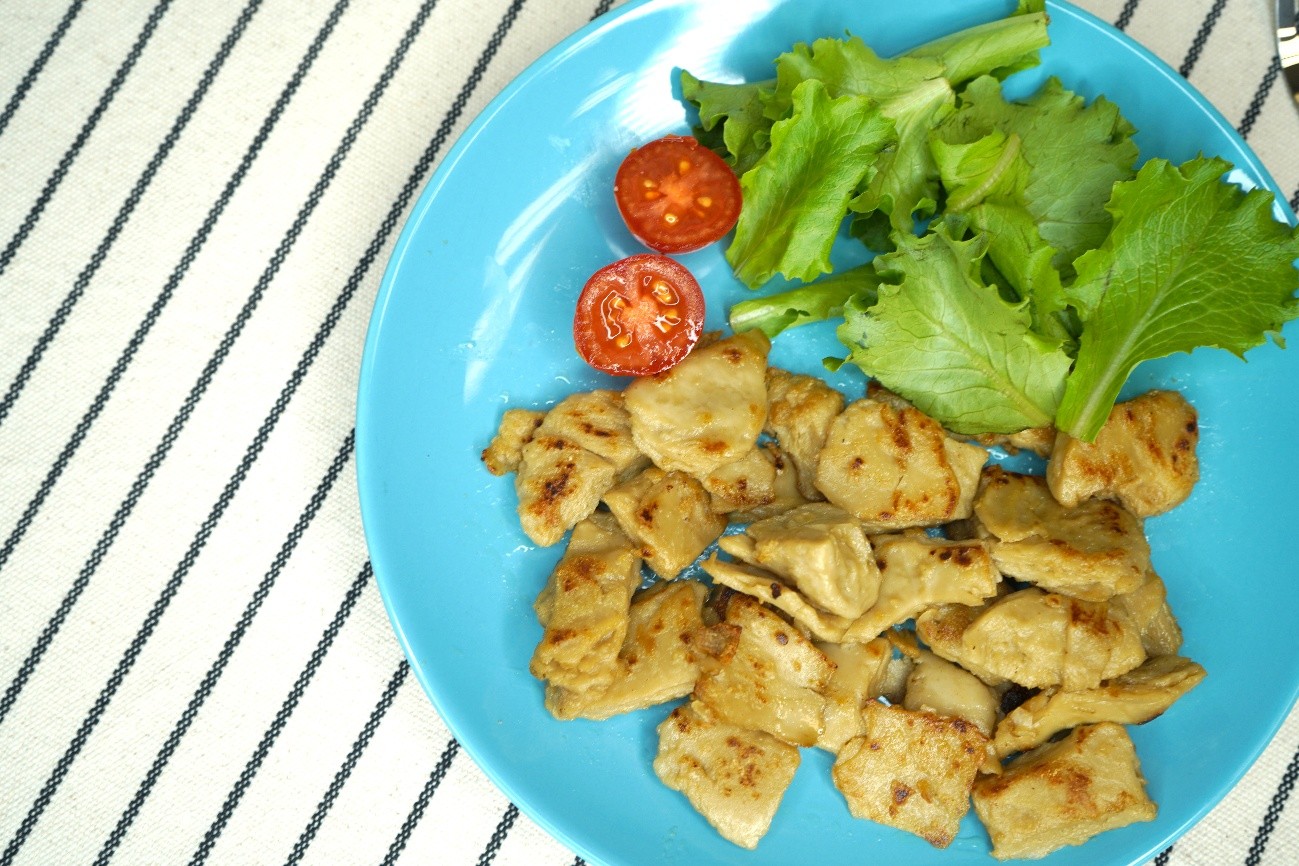
Developing alternative protein-based products is essential for building a more resilient, sustainable and responsible food system. In LIKE-A-PRO we are working on creating new innovative protein-rich foods that meet both nutritional standards and consumer expectations in terms of taste, texture and convenience.
In this article, we speak with Raúl Ansó Blanco from the National Center for Food Technology and Safety (CNTA), who is the technical coordinator of LIKE-A-PRO and leads the work concerning the development of new protein-based products within the project.
Raúl shares insights into the collaborative product development work taking place within the project, highlighting the challenges, promising ingredients, and exciting progress made towards bringing alternative protein-based products to market across Europe.
“The LIKE-A-PRO project is driving remarkable progress in creating next-generation, alternative protein-based products designed to elevate both nutritional value and sensory experience, paving the way for more sustainable and appealing food choices,” says Raúl.
The product development process involves a collaborative effort among various partners, including CNTA, FLOW FOOD, REVO FOODS, BIOZOON, MOREFORSKING, CARTESA, and SANYGRAN. Together, they have been working on optimizing and producing innovative products, each formulated with three different protein sources.
Raúl explains: "We are currently focused on the characterization of all products. In total, 22 different types of products are being developed, each incorporating three different protein sources, resulting in 66 unique prototypes. All these prototypes were completed by the end of October this year, and comprehensive nutritional, sensory, physicochemical and microbiological analyses are currently underway as part of an extensive shelf-life study".
The products developed within the project fall into four main categories:
Powdered food and drink supplements, such as mixes for home-made omelets, brownies and cheese.
Meat and fish analogues, including minced meat, nuggets, burgers, salmon, white fish or fish sticks.
Hybrid meat products, like cured chorizo, cooked ham and pulled pork.
Convenience food, such as pizza, pasta, smoothies or mousse.
"Hybrid products are among the most exciting categories, combining animal and alternative proteins to deliver improved nutrition without sacrificing taste. Another key focus is convenience food, which is typically seen as occasional indulgences with poor nutritional profiles. Through the project, we are working to improve the nutritional quality of these products, making them healthier, while maintaining their sensory appeal," Raúl says.
One of the key challenges during product development has been integrating new ingredients into conventional formulations without compromising sensory quality. This has required significant effort from all partners over the past few months.
Despite these challenges, the project has achieved positive results, with microbial protein, rapeseed kernel protein, fava bean protein, standing out for their versatility and successful application across a wide range of products.
The LIKE-A-PRO project incorporates a diverse range of alternative protein sources in its product development process, including:
Rapeseed protein: Obtained from rapeseed after oil extraction, offering high protein content and quality.
Mealworm protein: Derived from larvae of lesser and yellow mealworms, valued for their digestibility and nutritional richness.
Krill protein: Sourced from Atlantic krill, small crustaceans known for high-quality protein and low fat content.
Microbial protein: Produced through fermentation from the biomass of fast-growing organisms.
Mushroom protein: Concentrated from discarded cultivated mushrooms such as white button, oyster, and shiitake mushrooms.
Fermented fungal protein: Obtained from the fermentation of the mycelium of edible fungi on pulses like lentils, chickpeas, lupins, or peas.
Pea protein: Concentrated from yellow peas, offering a balanced amino acid profile and suitable for multiple formulations.
Looking ahead, the next steps involve comprehensive shelf-life studies, followed by the industrial-scale production of some optimized products.
"We are very excited about the progress made and what lies ahead in the coming months. We look forward to seeing the final results and how these innovations are received in the agri-food sector," Raúl concludes.
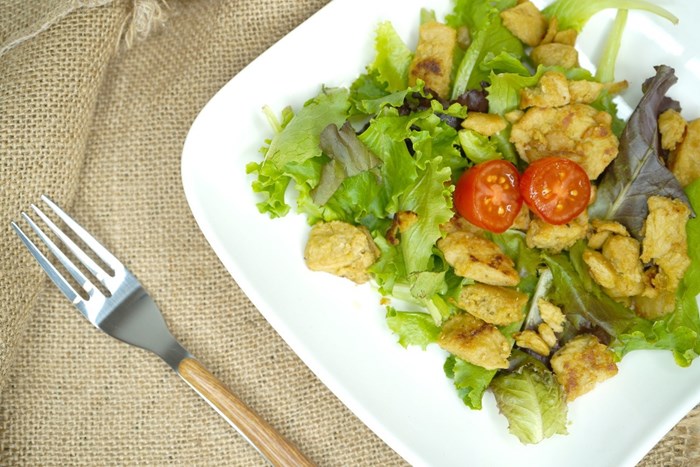
Pea-based Chicken-style Cut
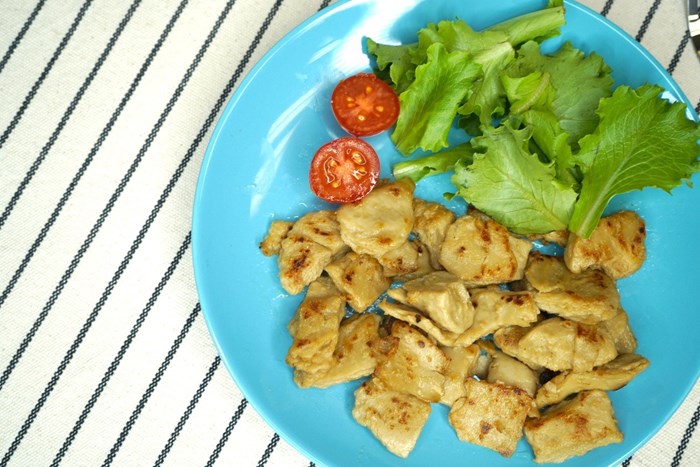
Fava Bean-based Chicken-style Cut
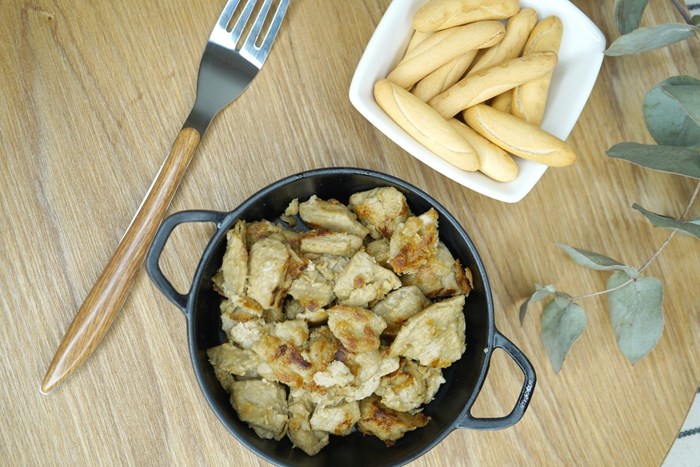
Microbial-based Chicken-style Cut
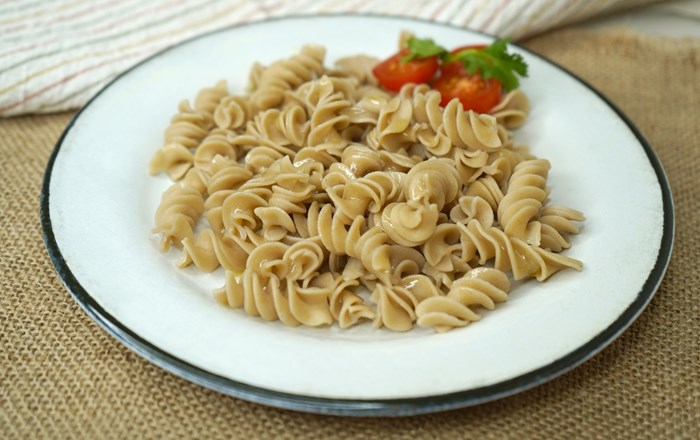
Fava Bean-based Fresh Pasta
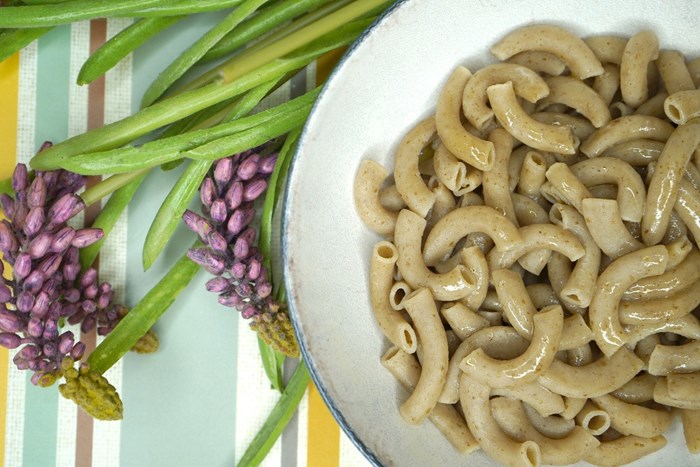
Insect-based Fresh Pasta (Wetmass)
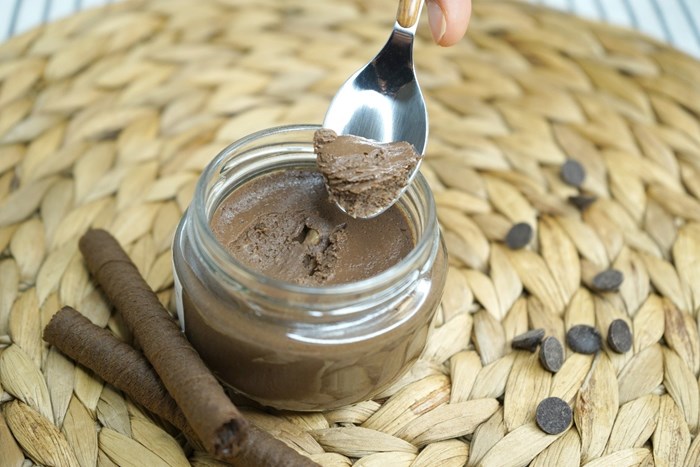
Microbial-based Mousse
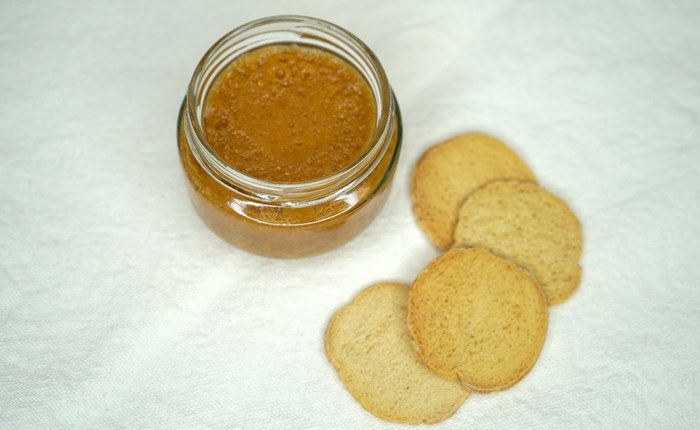
Krill-based Mousse
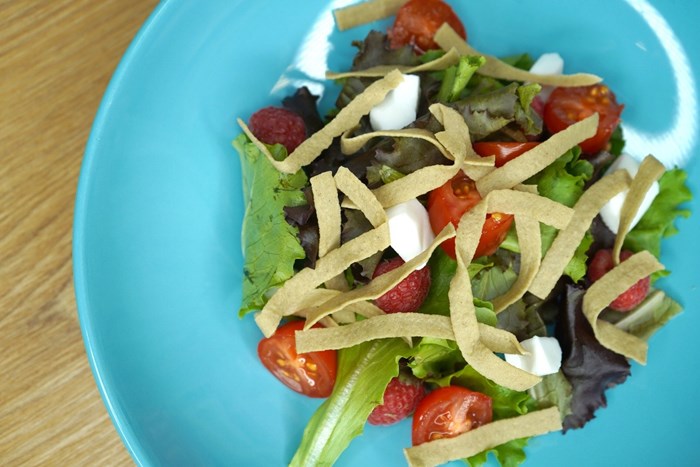
Pea-based Fish-style Sticks
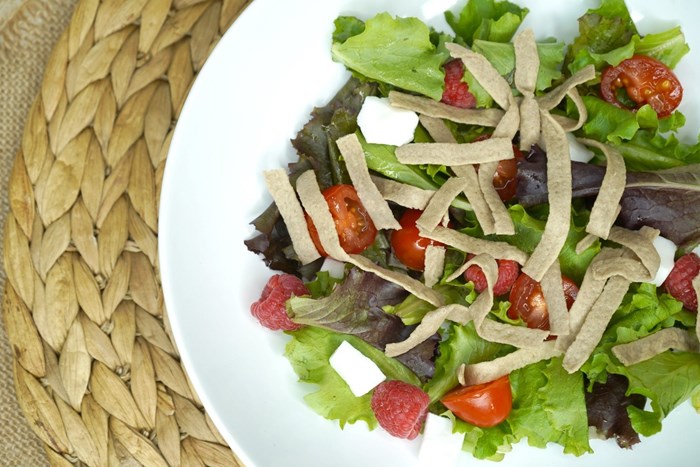
Fava Bean-based Fish-style Sticks